

Why You Suddenly Have the Bladder of a Chipmunk in Perimenopause
Early Signs You and Your Doctor May Likely Miss

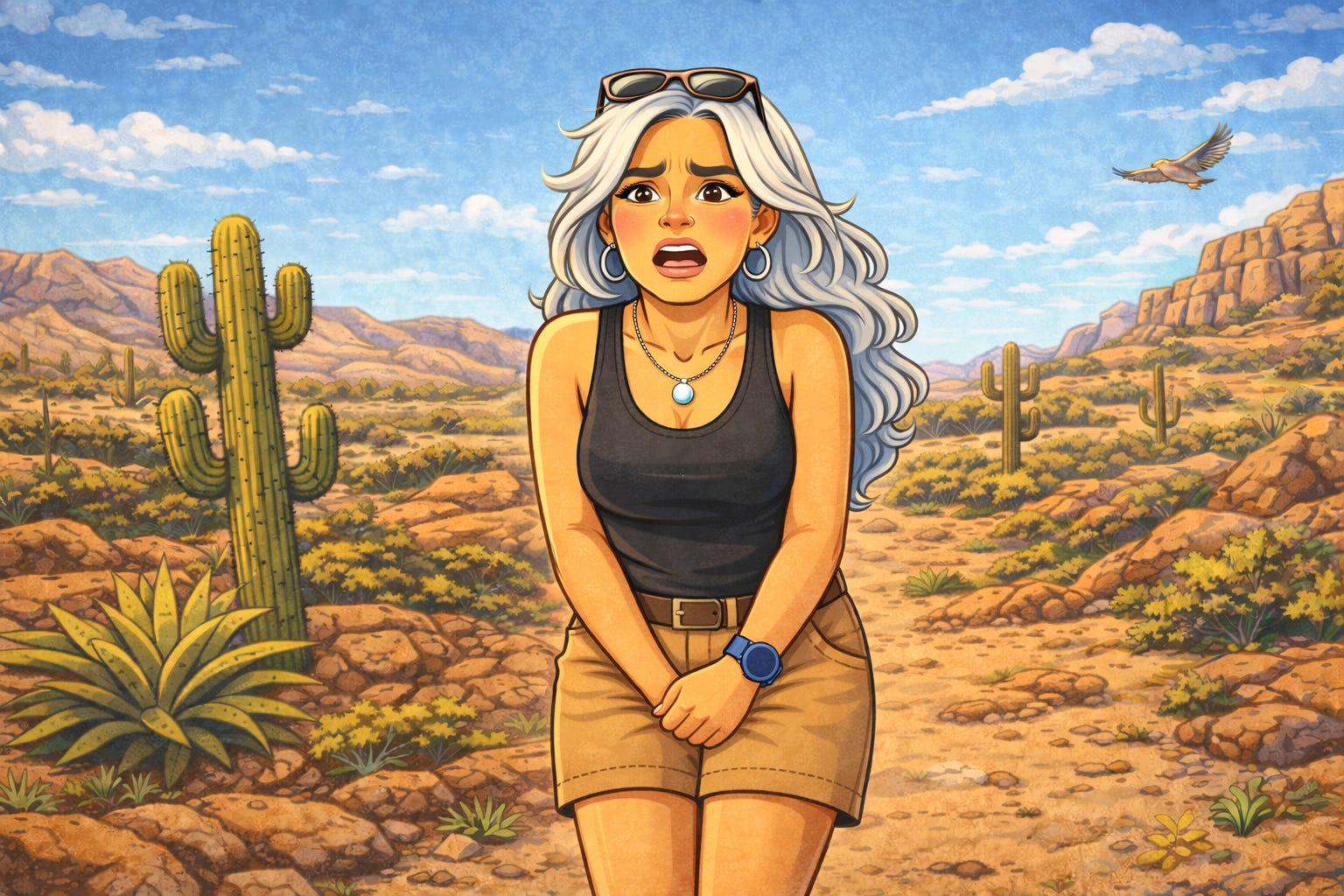
It’s Not Only About Hot Flashes
Most women are taught that low estrogen shows up as hot flashes and missed periods.
That framing is wrong. And it’s costing women years of declining quality of life. Being late to the game on this can be devastating for women and their families.
Low estrogen does not wait politely until menopause. It starts showing itself long before your period stops, often in ways that look unrelated, mysterious, or “just part of aging.”
For decades, I have watched the same story repeat itself.
Women in midlife develop sleep problems, chronic pain, fragile skin, urinary urgency issues, hair loss, and emotional flatness. They are sent to specialists. Given prescriptions. Told it is stress or aging.
Rarely does anyone say the obvious out loud. Most don’t even know.
This is estrogen leaving the body.
What This Episode Actually Answers
In this episode of The Dr. Tyna Show, I have created a Part 2 of a popular episode I did last year. In it I walk you through six additional signs of low estrogen that routinely get missed, dismissed, or misattributed by conventional medicine.
I discuss common midlife women’s issues like:
Why waking up at 2–3 a.m. wide awake is most often hormonal
Why alcohol intolerance can be an early warning sign
Why urinary urgency, frequent UTIs, and dryness are not isolated pelvic floor issues
Why fragile skin, slow wound healing, and easy tearing matter more than you think
Why diffuse hair shedding is often hormonal long before it becomes obvious
Why these symptoms show up decades before menopause for many women
This episode is not about trend-driven hormone hype. It is about physiology, timing, and paying attention before damage accumulates.
A Necessary Core Reframe
If a sign or symptom shows up predominantly in women in midlife, it is rarely a random disease process.
It is estrogen leaving the body in my clinical experience.
Medicine has spent decades fragmenting these symptoms into silos. Sleep problems. Joint pain and arthritis. Urinary and vaginal issues. Hair loss. Anxiety. Skin changes. Bone loss and more.
They are not separate problems. They are expressions of the same biological shift of estrogen leaving the building.
And waiting until an “official menopause” diagnosis to act is unethical in my opinion.
Who This Episode Is For (& Not For)
This episode is for you if:
You are in your 30s, 40s, or early 50s and something feels off
You are still cycling but your body no longer behaves the same
You are tired of being told everything is stress, aging, or “normal”
You want physiology, not platitudes
This episode is not for:
People looking for a hormone trend or shortcut
Anyone who wants a single supplement or peptide (or even hormone) to fix everything
Anyone unwilling to think upstream
Listen to the Full Episode
Perimenopause started showing itself in my life in my late 30s. It really began roaring it’s head in my mid-40s. If I hadn’t intervened with HRT when I did I would be a miserable, anxious, depressed person living with crippling chronic pain. And so would any of my patients. This is worth understanding BEFORE you think you need it. We have the data: early intervention is better.
🎧 Listen to the podcast episode
This episode is Part 2 of a series I started last year. Check out Part 1 HERE.
I am going to be 59 this month and have only been on HRT for 4 months. I sincerely wish I had known this information when I was younger, but better late than never (still within my 10 year window).
Outstanding synthesis of the siloed symptom problem in midlife women's health. The reframe from fragmented diagnoses to unified estrogen decline is crucial because I've watched family memebers get bounced between specialists for years without anyone connecting the dots. The early intervention point is critical too, waiting for "official menopause" to act means years of accumulated tissue changesthat might not fully reverse. This deserves to be standard diagnostic thinking.